Empowering Lives: The Essential Guide to Cancer Prevention and Support
In a world where life often feels unpredictable, the quest for wellness has never been more vital. Navigating the road to cancer prevention and healthy living arises not just from medical statistics but from our very lifestyles. What does it mean to truly take charge of our health as we journey through the landscape of oncology? Understanding the nuances of cancer prevention offers us insights into how to better our lives today, paving the way for a future filled with hope and vitality. Let’s delve deep into what it takes to unlock the doors to a healthier life, full of empowerment and informed choices.
Consider this: Did you know that nearly 40% of cancer cases are preventable? This statistic is not just a number; it's a call to action. Lifestyle changes such as improved diet, regular exercise, and avoiding harmful substances can dramatically influence our outcomes. Think of it as a battle against malignancy, where knowledge is your greatest weapon. By embracing wellness and prioritizing health education, you become not only an advocate for your own well-being but also a beacon of hope for others fighting similar battles.
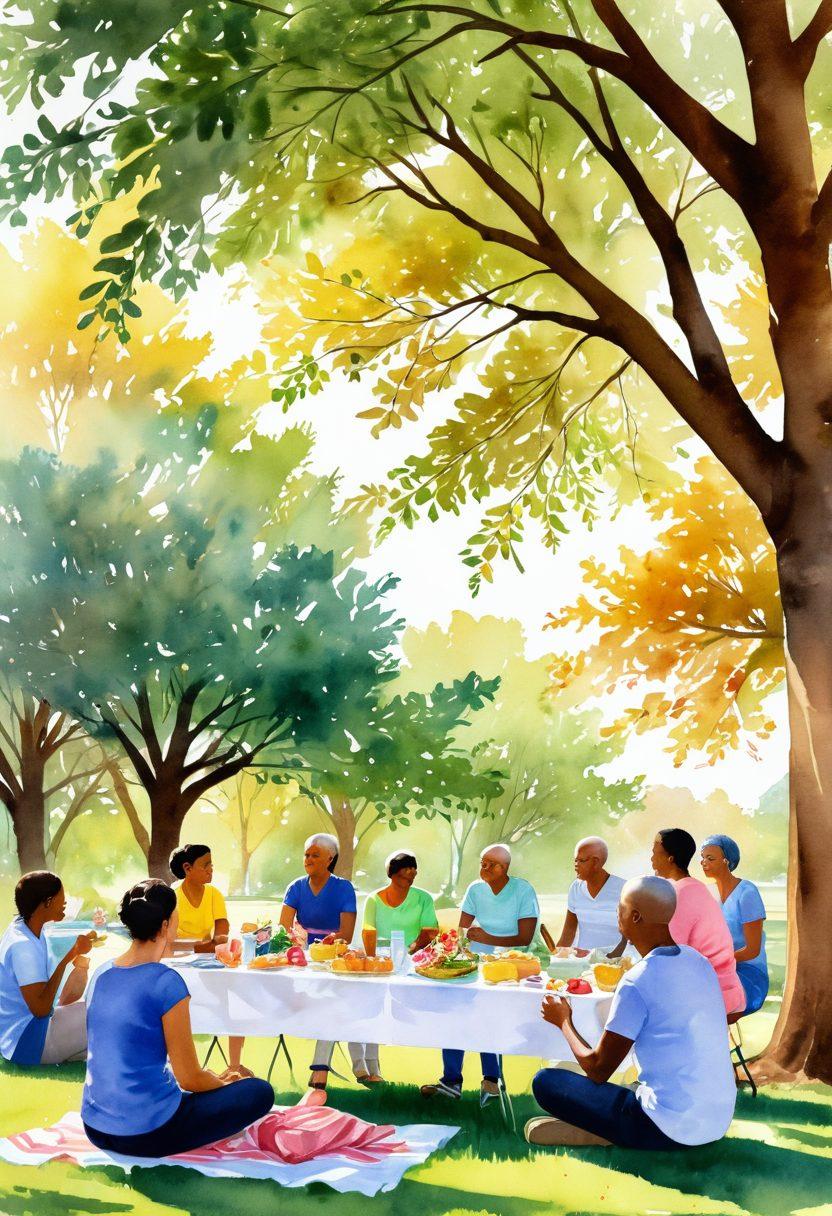
As we explore the journey of cancer prevention, it's essential to embrace the power of community support. Support groups play a pivotal role in survivorship, fostering an environment where knowledge is shared and mental health thrives. Imagine standing shoulder to shoulder with others who understand your struggles—how much strength does that give you? By pooling resources and sharing personal experiences, we can create a robust network of patient advocacy that champions both cancer diagnosis awareness and palliative care. Together, we can inspire courage in the face of adversity, while lifting each other toward healing.
Among the many tools at our disposal, patient education stands as a cornerstone of effective cancer prevention. Have you ever wondered how clinical trials influence treatment options? With the surge of medical research in areas like immunotherapy and radiation therapy, patients now have more agency than ever in deciding their path towards recovery. Awareness of cancer statistics and symptoms of cancer can empower individuals to seek early detection and screening, a crucial step that can lead to better outcomes. By engaging with health information, we ensure that informed choices become the norm, not the exception.
As we wrap up our exploratory journey toward healthy living and cancer prevention, let’s remember that wellness is holistic. Embracing healthy habits doesn’t merely mean focusing on physical health but also nurturing our mental health. The road may be daunting, but through actionable content regarding lifestyle changes, we can transform our lives and those of others around us. After all, in the words of a wise advocate, 'Taking care of your body is a form of self-respect.' Together, let's forge a path toward not just surviving but thriving in every aspect of our lives.
Empowerment Through Knowledge: Essential Strategies for Cancer Diagnosis and Support
Imagine standing at a crossroads, each path leading to a different future. This is the reality many face when confronted with a cancer diagnosis. The journey of navigating through oncology terms, treatment options, and emotional turmoil can feel overwhelming. But what if I told you that empowerment, through knowledge, is the key to transforming fear into strength? With essential strategies for cancer diagnosis and support, we can all become advocates for our own health journey, paving the way for wellness and survivorship.
Cancer prevention begins with awareness and education. Recognizing the symptoms of cancer can often lead to early detection, which is crucial in identifying malignancy at its nascent stage. Regular screenings and understanding cancer statistics can empower individuals to seek medical advice promptly. After all, awareness can be the difference between life and death. Ask yourself, when was the last time you had a health check-up? This simple question could lead to significant lifestyle changes that benefit your overall health.
Navigating through treatment options can often feel like entering a labyrinth of medical information. There are various avenues like chemotherapy, radiation therapy, and exciting advancements like immunotherapy, each with their own sets of challenges and triumphs. Empowering ourselves with knowledge about these treatment modalities helps us make informed decisions. Moreover, patient education should not end at the clinic; empowering our communities through discussions and support groups builds a safety net around us. Have you considered joining or starting a support group in your community?
When dealing with the aftermath of cancer—be it as a survivor or a support person—the importance of community resources cannot be overstated. Finding holistic health approaches like palliative care can significantly improve quality of life. Maintaining mental health during this tumultuous time is equally vital. The transition from patient to survivor is not just about the absence of disease but understanding how to thrive afterward. What activities inspire you to maintain a healthy living? Engaging in fulfilling pastimes can be an excellent source of resilience and healing.
In conclusion, empowering ourselves through knowledge is not just idealistic but actionable. We should use the wealth of health information available—through healthcare providers, clinical trials, and health blogs—to take charge of our health. Every piece of information, every support group resource, and every community connection contributes to our arsenal against cancer. As you embark on your own health journey, remember: you are not alone. We are in this together, and by sharing this journey, we empower not only ourselves but those around us. Let’s advocate for change, encourage patient education, and ultimately embody the spirit of survivorship.
Building a Community of Survivorship: Resources and Support for Cancer Patients and Families
In a world where a cancer diagnosis can feel isolating and overwhelming, understanding that you are not alone can be incredibly empowering. Building a community of survivorship is essential to combating the emotional toll that cancer inflicts not just on patients, but also on their families. With a wealth of cancer resources available today, individuals can find the support they need to navigate their journey through malignancy. Have you ever wondered how connecting with others could enrich your experience or offer insights into cancer prevention?
Support groups offer a unique opportunity for individuals battling cancer to share their stories and resources, reminding us that even during our darkest moments, there is light in our shared experiences. These groups can become vital lifelines, fostering friendships that promote wellness and mental health. Imagine sitting in a room, surrounded by others who understand the weight of a tumor diagnosis—how uplifting that can be! If you’re wondering where to start, seek local community support initiatives that focus on patient education and advocacy. Who knows—you might find a powerful ally, or even a lifelong friend, along the way!
Engaging in medical research and clinical trials can vastly increase our understanding of unique treatment options. From chemotherapy to immunotherapy, staying informed about the latest advancements in oncology not only empowers patients but also encourages lifestyle changes that accentuate healthy living. When you learn what symptoms of cancer to look out for, or when you dive into the cancer statistics relevant to your specific type of neoplasm, you arm yourself with knowledge. How can you invest this knowledge into your daily life? You can begin by talking to your healthcare provider about screening guidelines or recent studies that highlight promising advancements.
Moreover, as individuals navigate their journey through cancer, palliative care emerges as a critical component of survivorship. Counseling sessions focusing on holistic health not only support physical wellness but also address mental health challenges experienced during treatment. Imagine having access to resources that help you manage pain while also nurturing your emotional well-being. Could integrating these holistic approaches into cancer support services transform your outlook on health awareness? The answer lies in the stories of those who have walked the path before you, sharing lessons learned and strategies that can be used by others in similar situations.
Ultimately, building a community of survivorship isn't just about finding help; it's about sharing hope. It’s about creating a network where every shared experience strengthens the bonds of support. As you explore and tap into available cancer resources, remember to be an advocate for yourself and others—it not only empowers you but can help inspire change within the healthcare system. So, what will be your next step in constructing a more supportive, health-oriented community? Reflect on your own journey, tap into the power of relationships, and let your experience fuel a mission toward a brighter, healthier future.